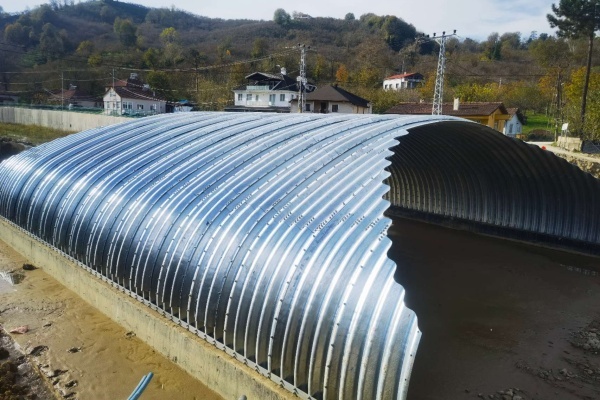
Why Steel Corrugated Pipe Is Gaining Popularity in Modern Engineering
The One Detail You Can’t Ignore During Steel Corrugated Pipe Installation – Or Maintenance Costs Will Double
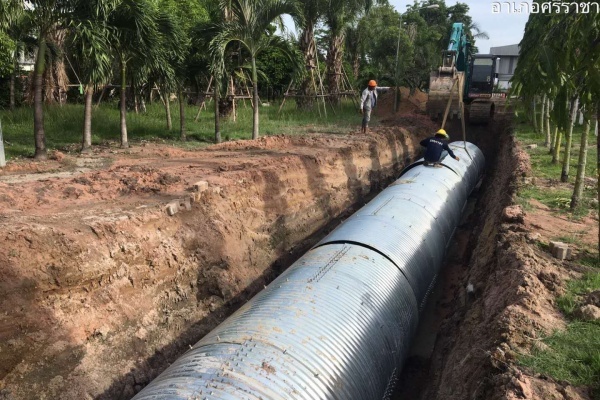
Skipping proper foundation treatment during steel corrugated pipe installation can lead to settlement and deformation that drive maintenance expenses far higher than any upfront savings. This guide walks you through the entire process – from selection to construction – so you avoid paying later for shortcuts taken today.
1. Why Steel Corrugated Pipe Is Gaining Popularity in Modern Engineering
Compared to traditional concrete culverts, steel corrugated pipe offers three game-changing advantages that make it a top choice for municipal and transportation projects:
Faster installation – Prefabricated sections cut construction time by over 50% versus cast-in-place concrete, ideal for emergency repairs and season-sensitive work.
Superior ground adaptability – The corrugated profile absorbs uneven settlement through elastic deformation, excelling in high�fill and soft�soil conditions.
Lower lifecycle cost – Though initial per�meter cost is slightly higher, you save on concrete curing, maintenance downtime, and heavy machinery over the long run.
In tunnel reinforcement applications, hot�dip galvanized steel corrugated pipe is especially valued – its corrugated cross�section boosts ring stiffness while preserving the steel’s inherent flexibility.
2. Structural Principles & Common Misconceptions
Many assume corrugation is solely for added strength, but its real functions go far beyond:
Stress distribution – Concentrated loads are converted into uniform hoop stresses along the pipe wall.
Drainage guidance – Natural troughs formed by wave valleys prevent hydrostatic pressure buildup.
Thermal compensation – The corrugation provides built�in expansion space for temperature fluctuations.
Galvanized vs. stainless steel – their corrosion protection mechanisms differ fundamentally:
Galvanized coating works as a sacrificial anode, ideal for normal soils with pH 6–9. Stainless steel relies on a passive oxide film, better suited for coastal saline or industrial polluted areas.
A common trap: thicker is always better. In reality, a 2.5mm�thick corrugated pipe can outperform a 4mm flat steel pipe in load capacity thanks to optimized structural geometry.
3. Choosing the Right Steel Corrugated Pipe for Different Scenarios
Recommended: Pre�assembled galvanized corrugated pipe shipped in sections and bolted on�site.
Pros: Handles dynamic traffic loads, allows partial replacement during repairs. Caution: Apply sealant at flanged joints; wave crest spacing ≤150 mm is advisable. For Railway Culverts
Critical needs: Fatigue resistance and vertical stiffness. Opt for spiral corrugated structures with deeper waves (depth ≥55 mm). Prefer Q355 steel over standard Q235 for enhanced durability.
4. Post�Installation Maintenance – The Most Overlooked Details
90% of early failures stem from these three overlooked issues: Wave�valley drainage – Flush out sediment with high�pressure water before each rainy season. Bolt retorquing – Re�check all bolt preloads at the 3�month mark after installation. Cathodic protection – When galvanized coating loss reaches 30%, install supplementary sacrificial anodes. The sealing system demands special attention – rubber gaskets often age faster than the pipe itself. Best practices:
Replace rubber seals every 5 years.
Final Takeaway Proper foundation treatment is the single most critical step during steel corrugated pipe installation. Neglect it, and you’ll face costly repairs from settlement and deformation within years. By following the selection, installation, and maintenance guidelines above, you ensure a durable, low�cost solution that stands the test of time – without doubling your future budget.



 Products