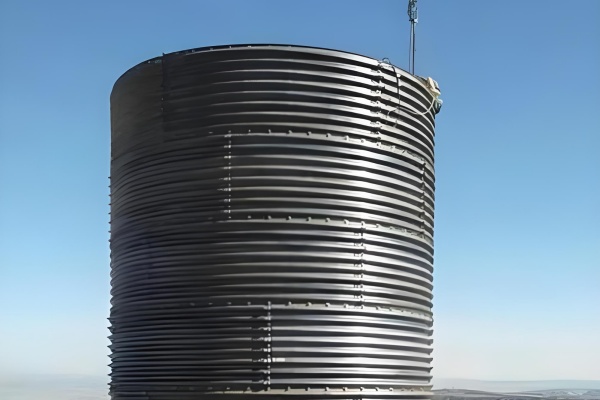
Metal corrugated culvert pipes, with their high strength, lightweight design, long service life, easy installation, cost-effectiveness, environmental friendliness,
Metal Corrugated Culvert Pipe
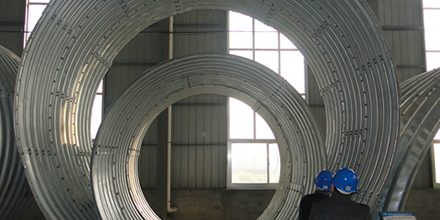
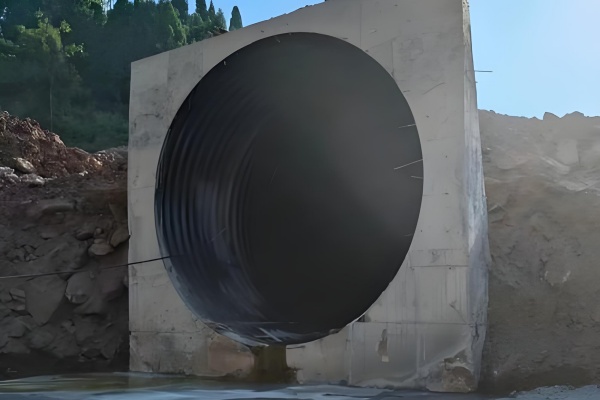
(Also known as steel corrugated pipe culvert, corrugated steel culvert pipe, or metal corrugated culvert) is a flexible corrugated structure manufactured from high-strength hot-dip galvanized steel sheets. It is formed by rolling corrugated steel plates into circular pipes or assembling standard semi-circular corrugated steel sections on-site or in the factory. This product is widely used in highway, railway, mining, tunnel, and water conservancy projects as culverts, passages, small bridges, retaining wall backfill structures, and various underground passages.
Main Structural Features and Performance Advantages
Extremely High Structural Strength The unique corrugated geometric shape provides excellent circumferential stiffness and compressive capacity. Under the same diameter conditions, its load-bearing capacity is typically 15 to 25 times higher than that of reinforced concrete pipes of the same specifications. It can withstand deep fills (up to 30m or more) and long-term heavy traffic loads.
Lightweight, Easy Transport and Handling The weight per unit length is only 1/10 to 1/5 that of reinforced concrete pipes of the same diameter. Even in mountainous or remote areas with poor transportation access, limited space, and no heavy machinery, the pipes can be manually handled and assembled, significantly reducing transportation and on-site handling costs.
Extended Service Life and Excellent Durability Standard products are treated with hot-dip galvanizing (average zinc coating thickness ≥84μm, complying with GB/T 13912 or higher standards). In general atmospheric and soil environments, the service life can reach 80 to 100 years. In highly corrosive environments (such as acidic soil, saline soil, or seawater-affected areas), an additional inner and outer double-layer asphalt coating (thickness 0.3–0.5mm) can extend service life by more than 20 years. Leading domestic manufacturers (such as Xinfeng) typically adopt a conservative corrosion rate of 0.01–0.03mm per year in design and add an extra 0.5mm or more wall thickness redundancy, significantly enhancing safety margins.
Fast and Easy Installation Sleeve connections or high-strength bolted flange connections ensure reliable assembly and excellent sealing. Pipe lengths can be customized according to project needs (commonly 6m, 9m, or 12m). On-site assembly is simple and can be performed by non-specialist workers after brief training.
The installation process generally requires no heavy lifting equipment or concrete pouring, resulting in fast construction speeds—often shortening the construction period by 50% to 80% compared to traditional concrete culverts.
Excellent Overall Cost-Effectiveness The construction cost is generally lower than or comparable to that of reinforced concrete small bridges or culverts of the same span. Short construction period and strong parallel operation capabilities. Standardized, factory-based production effectively controls costs and ensures quality. Minimal later-stage maintenance costs, with virtually no expansion joints or crack repair needs. Significantly reduces the use of traditional building materials such as cement, sand, and gravel, lowering the carbon footprint and offering outstanding environmental benefits.
Technical Adaptability to Special Environments
Effectively Addresses Differential Settlement Issues The flexible structure can accommodate differential settlement in soft soil, expansive soil, collapsible loess, frozen soil, and other special foundations, avoiding the "step and bump" phenomenon common in rigid structures, thereby greatly improving long-term road smoothness and driving safety.
Excellent Resistance to Frost Heave in Northern Regions Completely resolves issues such as cracking, spalling, and steel corrosion in concrete structures caused by repeated freeze-thaw cycles in cold regions. It is an ideal alternative solution for culvert projects in high-altitude and high-latitude areas.
Strong Impact Resistance Against Rolling and Flowing Rocks For culverts in mountainous areas prone to rockfalls or mudslides, domestic products feature optimized key parameters such as corrugation pitch, depth, and wall thickness. Combined with thicker plates and double-layer anti-corrosion measures, they effectively resist impact and abrasion from flowing rocks, ensuring long-term structural safety.
Conclusion
Metal corrugated culvert pipes, with their high strength, lightweight design, long service life, easy installation, cost-effectiveness, environmental friendliness, and adaptability to special geological and climatic conditions, have become one of the mainstream solutions replacing traditional reinforced concrete culverts in modern transportation infrastructure projects. They offer unparalleled technical and economic value and long-term operational benefits, particularly in mountainous regions, frozen soil areas, soft foundation zones, environmentally sensitive areas, and projects with tight schedules.



 Products