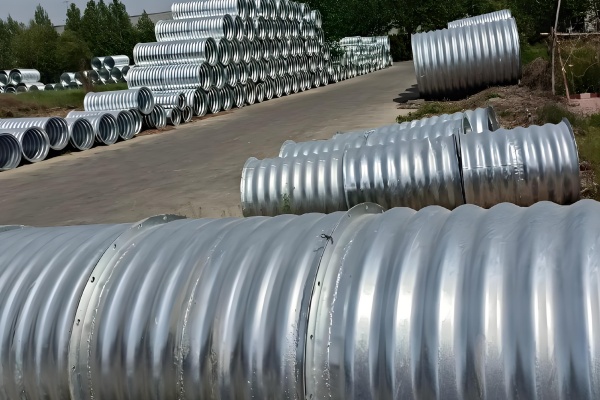
The benefits of choosing corrugated steel culverts are numerous
Meta Description: Explore the production, applications, and advantages of corrugated steel culverts. Learn why they are a strong, durable, and cost-effective choice for drainage and infrastructure projects.
(2) As a flexible structure, the corrugated pipe culvert excels in compensating for lateral displacement. It leverages steel's high tensile strength and superior deformation capabilities, offering exceptional resistance to deformation and settlement. This makes it particularly suitable for areas with low foundational bearing capacity, such as soft soil, expansive soil, and collapsible loess
Corrugated steel culverts are essential components in civil engineering and infrastructure projects worldwide. These versatile structures provide effective drainage solutions, support roadways, and manage water flow efficiently. Made from high-quality galvanized steel sheets formed into ridges and grooves, these culverts offer superior strength and flexibility, making them ideal for applications such as road and highway construction, railway systems, stormwater management, agricultural drainage, and stream crossings. Their corrugated design enhances structural integrity while allowing for efficient water passage beneath infrastructures.
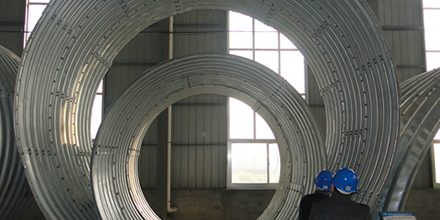
The manufacturing process of corrugated steel culverts ensures high durability and performance. It begins with the selection of quality steel coils that are hot-dip galvanized—coated with zinc to prevent rust and extend service life. The steel then passes through rollers to form consistent corrugations, significantly strengthening the material without adding extra weight. These corrugated sheets are shaped into circular, elliptical, or pipe-arch forms using advanced machinery. The sections are connected with galvanized bolts or locked seams to ensure structural integrity, and each culvert undergoes strict quality testing to comply with industry standards such as ASTM and AASHTO. Their lightweight and modular design facilitates efficient transportation and onsite assembly.
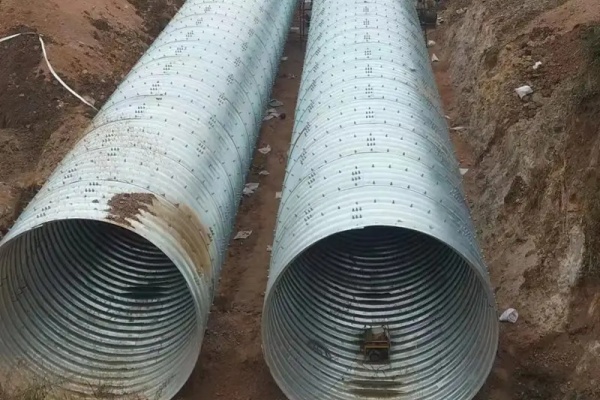
These culverts are widely used in various settings due to their adaptability and reliability. In road and highway construction, they are installed beneath surfaces to manage stormwater and prevent flooding. Railway systems utilize them for drainage under tracks and embankments, while urban and rural drainage systems benefit from their efficient water flow management. Farmers use corrugated steel culverts for agricultural drainage to control water flow in fields, and they serve as economical alternatives to traditional bridges in stream crossings and culvert bridges.
The benefits of choosing corrugated steel culverts are numerous. They are highly durable, with galvanized steel resisting corrosion and lasting for decades. Their high strength-to-weight ratio allows them to handle heavy loads and deep fills with less material. These culverts are cost-effective, offering lower initial costs and reduced installation time compared to concrete options. The ease of installation is another advantage, as lightweight pieces assemble quickly with minimal equipment. Additionally, they are eco-friendly, made from recyclable materials, and can be repurposed. Available in multiple sizes and shapes, they can be customized to fit specific project needs.
In conclusion, corrugated steel culverts provide a reliable, economical, and sustainable solution for drainage and infrastructure challenges. Their robust manufacturing process, broad applicability, and long-term performance make them a preferred choice for engineers and developers globally. Whether for road, rail, agricultural, or stormwater projects, these culverts deliver unmatched durability and value, ensuring efficient water management and infrastructure support for years to come.



 Products